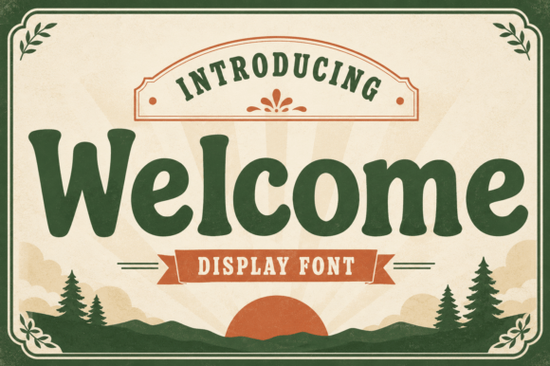
If you are looking for a typeface that balances bold visibility with a warm, retro feel, the Welcome Font is a strong contender. This dynamic slab serif brings a nostalgic charm to projects that need to feel inviting yet confident. Whether you are designing a logo for a local café or creating signage for a children's event, the soft rounded curves and whimsical quirks help your text stand out without feeling aggressive. It is designed to command attention while remaining affable, making it a versatile tool for various creative tasks.
What makes this typeface stand out for vintage projects?
The core appeal of this font lies in its ability to transcend ordinary design standards. Many slab serifs can feel too rigid or industrial, but this option introduces softness through its rounded curves. This combination creates a unique visual voice that feels both established and playful. When you are working on brand identity projects that require a touch of history without looking outdated, this style bridges the gap effectively.
For designers who want to explore more about this specific display style, we have a detailed breakdown of this typeface available on our site. Understanding the nuances of the character shapes can help you decide if it fits your specific layout needs. The outstanding visibility ensures that your message is read clearly, even from a distance, which is crucial for physical signage or large format prints.
Where does this font work best in commercial design?
Visibility is key when creating materials for public spaces. This typeface shines in applications like café signage, where you need to draw customers in from the street. The bold characters ensure readability, while the retro quirks add personality that generic sans-serifs often lack. It is also an excellent choice for children's merchandise, where the whimsical nature of the letters aligns well with playful products.
If your project requires something with more grit, you might consider looking into rougher textured typography options. However, for a clean yet vintage look, the smooth curves here provide a polished finish. Headlines in blogs, magazines, or packaging benefit from this affable charisma, as it invites the observer to engage with the content rather than just scanning past it.
Are there similar styles for different moods?
While this font is versatile, sometimes a project demands a different emotional tone. If you need something with stronger collegiate aesthetics for a sports team or university event, there are bold collegiate styles that might suit that purpose better. These alternatives maintain the boldness but shift the vibe towards tradition and strength.
For designs centered around seasonal elements, such as autumn promotions or farm-to-table branding, you might explore options tailored for seasonal harvest themes. These fonts often carry specific decorative elements that match the subject matter closely. Alternatively, if your project leans heavily into fantasy or storytelling, you could investigate more whimsical lettering options that offer a magical feel instead of a vintage one.
How should you pair this with other elements?
To get the most out of this typeface, pairing it with the right secondary font is essential. Since the characters are bold and distinct, use a simple sans-serif for body text to maintain readability. Avoid pairing it with another decorative font, as this can create visual clutter. The goal is to let the headlines do the heavy lifting while the supporting text remains neutral.
Color choice also plays a significant role. Warm tones like mustard yellow, burnt orange, or deep red complement the vintage charm effectively. For a modern twist, try high-contrast black and white combinations. Always test your designs in grayscale first to ensure the weight of the letters holds up without relying on color contrast.
What should you check before downloading?
Before integrating this into your workflow, review the licensing terms carefully. Most creative assets allow for personal and commercial use, but restrictions may apply to print-on-demand products or digital templates. Ensure you have the right license for your specific end product to avoid legal issues later. Additionally, check the file formats included. Having both OTF and TTF versions ensures compatibility across different software like Adobe Illustrator, Photoshop, or Canva.
Once you have secured the license and files, start experimenting with kerning. Slab serifs often benefit from slightly tighter spacing to maintain cohesion between the bold characters. Here is a quick checklist to finalize your design:
- Check Licensing: Confirm commercial rights for your specific use case.
- Test Readability: View your design from a distance to ensure visibility.
- Pair Wisely: Use a simple sans-serif for body copy to balance the bold headlines.
- Color Test: Verify contrast levels in both color and grayscale modes.
- Format Check: Ensure you have the correct file types for your software.
By following these steps, you can ensure that your final project looks professional and engaging. The right font choice sets the tone for your entire brand, so taking the time to select and implement it correctly is worth the effort.
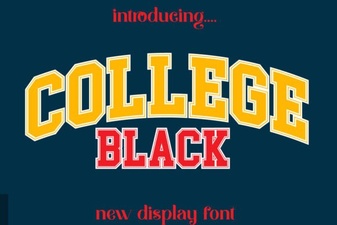 Modern College Black Font Designs for Websites
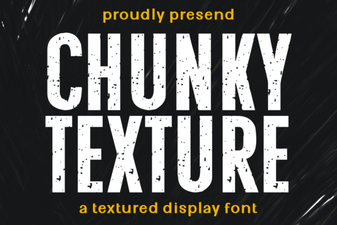 Chunky Fonts for Bold, Standout Designs
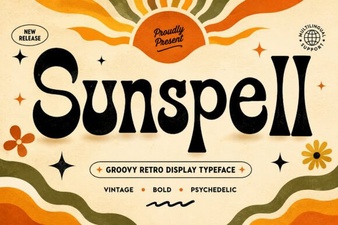 Sunspell Font: a Designer's Dream Script
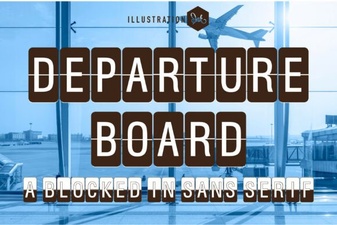 Crafting Digital Departure Board Typography
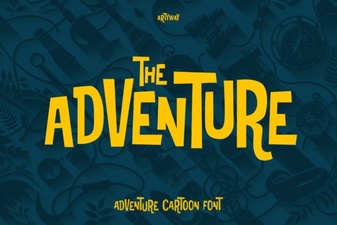 Adventure Fonts for Inspiring Creative Projects
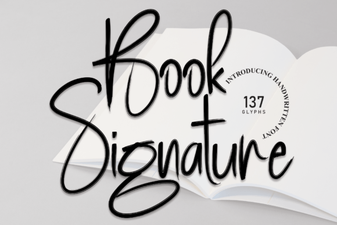 Designing with Distinctive Book Signature Fonts