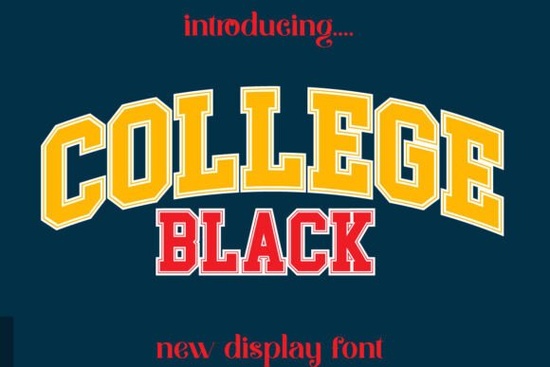
When you need typography that stands out immediately, bold display typefaces are often the best choice. This is especially true for sports graphics, movie posters, or any project requiring strong headlines. The College Black Font is designed specifically for these high-impact situations. It offers a modern and thick structure that ensures readability even from a distance. If you are working on a team jersey or a YouTube thumbnail, having a font with this much weight can save you time on adjustments.
Many designers struggle to find lettering that feels athletic without looking outdated. This typeface bridges that gap by providing a clean, solid appearance. It works well for leagues, documentaries, and game covers where the title needs to dominate the visual hierarchy. Because the strokes are uniform and heavy, you do not need to add excessive effects to make it pop against a busy background.
What projects work best with this typeface?
The primary strength of this font lies in its versatility within the sports and entertainment niches. It is naturally suited for team logos and jersey numbers where clarity is key. When you are designing for a local league or a school team, you want something that commands respect and attention. This style aligns perfectly with traditional athletic typefaces that people associate with competition and energy.
Beyond sports, film and documentary producers often need titles that convey seriousness or action. A bold display font helps set the tone before the viewer even sees the footage. You might use it for main titles on a poster or lower-thirds in a video edit. The weight of the letters ensures they remain legible on mobile screens as well as large prints. For book covers, especially in the thriller or non-fiction genres, this kind of typography suggests authority and impact.
How do I pair it with other styles?
Using a heavy font like this requires balance. If every element on your page is bold, nothing stands out. You should pair it with simpler sans-serif fonts for body text. This creates contrast and guides the reader's eye from the headline to the details. Sometimes, you might want to add some visual interest to the headline itself. In those cases, looking at fonts with heavy texture can give you ideas on how to overlay grunge or noise effects without losing readability.
However, be careful not to overdo the effects. The clean lines of this typeface are often enough on their own. If you are aiming for a retro sports look, you might consider combining it with styles with a worn finish for secondary elements. This creates a layered effect where the main title stays sharp while the background elements feel aged or vintage. This technique is popular in merchandise design for t-shirts and hoodies.
Are there alternatives for different moods?
While bold sports fonts are great for energy, not every project needs that level of intensity. If you are designing a sign for a shop or a friendly event invitation, a softer approach works better. You might explore inviting display types that feel more approachable and warm. These are better suited for hospitality or community events where aggression is not the desired tone.
On the other end of the spectrum, some projects require strict organization and clarity. Think about airport signs or schedule boards. For those technical needs, clean informational lettering is the standard. Comparing your current choice against these structured options helps you decide if your design needs more personality or more function. Understanding these differences ensures you pick the right tool for the specific job.
What should I know about file formats and licensing?
Before downloading, always check the license agreement. Most creative assets allow for personal use, but commercial projects often require a different tier. If you plan to sell products like print-on-demand shirts, verify that the license covers merchandise sales. Technically, you will usually receive OTF or TTF files. These work across major design software like Adobe Illustrator, Photoshop, and Canva.
Install the font on your system before opening your design program to ensure it appears in your font list. Once installed, test it at different sizes. A font that looks good at 72 points might need kerning adjustments at 12 points. Since this is a display font, it is not intended for long paragraphs of text. Keep it reserved for headlines, titles, and short phrases to maintain its visual impact.
Quick Design Checklist
- Check Contrast: Ensure the background color contrasts sharply with the text color.
- Limit Usage: Use bold display fonts only for headlines, not body copy.
- Verify License: Confirm commercial rights before selling products with the font.
- Test Readability: View your design on both mobile and desktop screens.
- Pair Wisely: Combine with simple sans-serif fonts for secondary information.
Choosing the right typography is about matching the tool to the message. For strong, athletic, and bold statements, this typeface provides a solid foundation. By balancing it with simpler elements and respecting licensing terms, you can create professional designs that resonate with your audience. Start by sketching your layout and placing the headline first to build the rest of your composition around it.
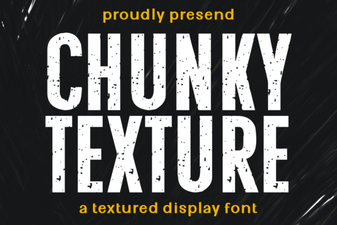 Chunky Fonts for Bold, Standout Designs
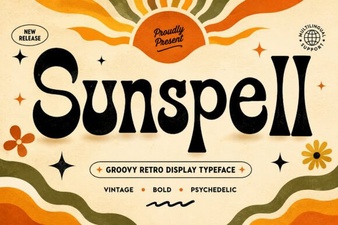 Sunspell Font: a Designer's Dream Script
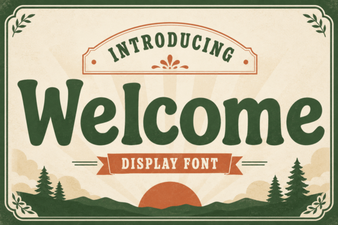 Selecting a Welcome Font for Your Design Projects
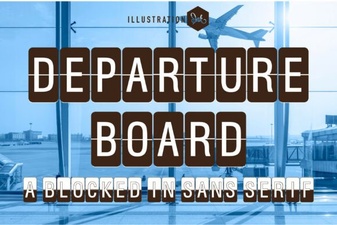 Crafting Digital Departure Board Typography
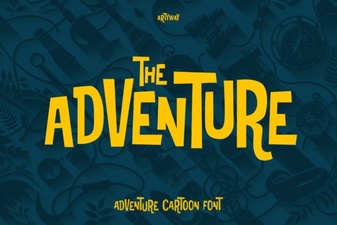 Adventure Fonts for Inspiring Creative Projects
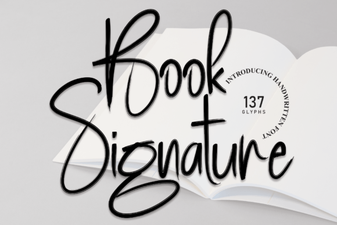 Designing with Distinctive Book Signature Fonts