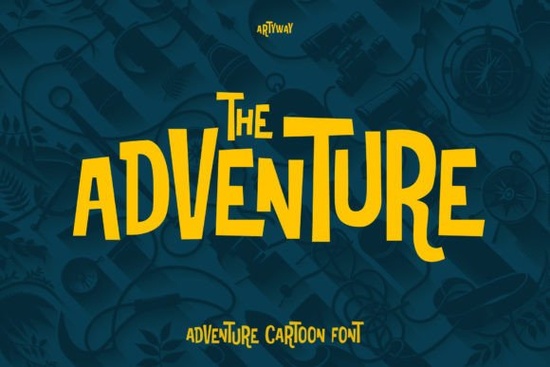
Finding the right typography for a project can make or break the final design, especially when you need something that feels lively and engaging. If you are working on children's books, playful logos, or dynamic posters, the Adventure Font offers a distinct cartoon style that brings energy to your layout. This typeface is built with bold, funny characters that stand out without sacrificing readability. It is designed to infuse creativity into projects that need a sense of fun and excitement.
Many designers struggle to find a display font that balances personality with usability. Often, overly decorative fonts become hard to read at smaller sizes, while standard sans-serifs feel too stiff for playful themes. This specific typeface solves that problem by crafting each letter with a unique personality. The shapes are rounded and inviting, which helps capture attention immediately. Whether you are creating a logo for a toy store or a headline for a summer event, the visual tone matches the mood perfectly.
What makes this typeface suitable for children's content?
When designing for younger audiences, the visual language needs to be approachable. Sharp edges and serious weights can feel intimidating, but rounded, bold characters feel friendly. The Adventure Cartoon style included in this family uses thick strokes and irregular baselines that mimic hand-drawn lettering. This adds a human touch that digital designs often lack. It signals to the viewer that the content is meant to be enjoyed rather than studied seriously.
Beyond just looking good, the font supports multiple languages and includes special characters. This versatility is crucial for sellers targeting international markets or creating inclusive content. You do not have to worry about missing glyphs when expanding your product line to different regions. It ensures consistency across various platforms, from print-on-demand t-shirts to digital invitations.
How should you pair it with other fonts?
Using a display font like this requires careful pairing to maintain balance. Since the letters are bold and expressive, they work best when paired with something simpler for body text. If you use another loud font for the details, the design will feel cluttered. You want the main headline to do the talking while the supporting text remains quiet and legible.
For a cohesive look, consider browsing similar playful typefaces to see what else fits the vibe. If you need something more structured for the body copy, looking at structured sans-serif options can provide a nice contrast. The goal is to let the display font shine without competing for attention. Sometimes, mixing in hand-drawn sketch styles for accents can add extra texture without overwhelming the viewer.
If you need heavy impact for a subheading, exploring heavy display weights might help bridge the gap between the playful header and the main content. However, remember that less is often more. For the main paragraphs, sticking to cleaner body text choices ensures that your audience can read the information easily without getting distracted by too many styles.
Where can you use this font commercially?
Print-on-demand sellers will find this typeface particularly useful for niche markets. Designs featuring quotes about childhood, summer camps, or playful hobbies sell well when the typography matches the sentiment. You can use it on mugs, t-shirts, and stickers where the text is the main graphic element. Small businesses creating branding materials for party planners or daycare centers will also benefit from the friendly aesthetic.
Crafters using cutting machines can import these files to create custom decals or signage. The bold lines usually cut cleanly without losing detail. Digital creators can use it for YouTube thumbnails or social media graphics where stopping the scroll is the primary goal. The key is to ensure the background color contrasts well with the font color so the playful shapes remain visible.
Is it easy to install and use?
Most modern font files come in standard formats like OTF or TTF, which work across Windows and Mac systems. Once installed, the font appears in your design software like any other typeface. You can access the special characters through the glyph panel in programs like Illustrator or Photoshop. This allows you to add extra flair to your designs using alternate characters if they are included in the package.
For more details on the specific file types and licensing, you can check the Adventure Font page directly. Always review the license terms before using the font for commercial projects to ensure you are compliant. Some licenses cover personal use only, while others allow unlimited commercial sales. Knowing this upfront prevents issues later when you start selling your designs.
Quick Checklist Before You Start Designing
- Check Contrast: Ensure the background color makes the bold letters pop.
- Verify License: Confirm you have the right to use the font for commercial sales.
- Test Readability: Print a sample to see how the shapes look at actual size.
- Limit Pairings: Use no more than two font families in one design.
- Export Correctly: Save files in the format required by your print provider or platform.
Taking these steps ensures your final product looks professional and meets customer expectations. Good typography is about more than just picking a style; it is about making sure the message is clear and the visual experience is enjoyable. With the right tools and a bit of planning, you can create designs that stand out in a crowded market.
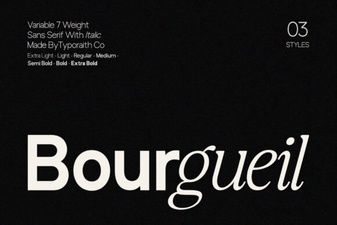 Bourgueil Font: Versatile Design & Creative Projects
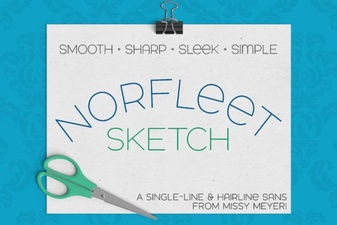 Norfleet Sketch Font for Clean Modern Typography
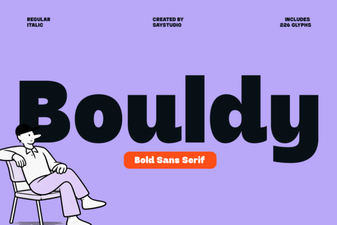 Bouldy Font: Bold Design for Creative Projects
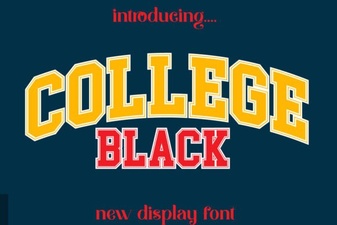 Modern College Black Font Designs for Websites
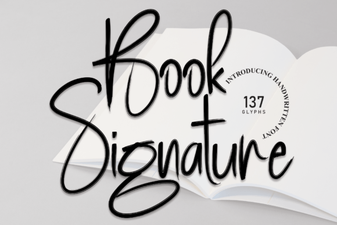 Designing with Distinctive Book Signature Fonts
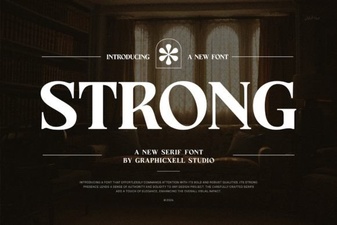 Bold Typography for Effective Website Design