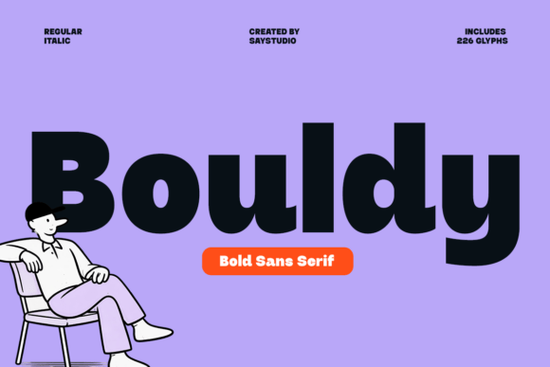
Finding typography that balances strength with approachability can be difficult for many creative projects. You often need something that grabs attention without feeling too aggressive or corporate. The Bouldy Font offers a solution by combining thick letterforms with smooth, rounded curves. This combination creates a visual presence that feels confident yet friendly, making it suitable for a wide range of design tasks. Whether you are working on a new logo or updating social media graphics, understanding how to use bold sans serif typefaces effectively can save you time and improve your results.
What visual style does this typeface bring?
This font is defined by its modern branding aesthetics and casual design trends. The letterforms are thick, which ensures they stand out even against busy backgrounds. Unlike stricter geometric fonts, the rounded shapes give it a playful personality. This softness prevents the bold weight from feeling too heavy or imposing. It maintains excellent readability, which is crucial for headlines and packaging where quick communication is key. Designers looking for cleaner sans serif styles might find this too expressive, but for projects needing energy, it fits perfectly. The balance between strength and friendliness allows it to work across different creative fields without losing its identity.
Which projects benefit most from this look?
Because of its engaging look, this typeface is ideal for projects that need to communicate energy and creativity. It works well for logos that need to be memorable without relying on complex icons. Social media content also benefits from the high readability on small screens. If you are creating posters or packaging, the bold weight ensures your message is seen from a distance. It is particularly effective for brands targeting a younger audience or those wanting a modern identity. For specific themes, such as outdoor or exploration themes, you might pair it with rugged imagery to create contrast. However, its versatility means it also fits casual lifestyle brands and digital campaigns.
Ideal use cases include:
- Brand logos and identity systems
- Social media headers and post text
- Product packaging and labels
- Event posters and flyers
- Website headlines and banners
How do you pair it effectively?
Pairing bold typography requires care to avoid visual clutter. Since the main font is heavy, you should pair it with something lighter or more neutral. If you want to maintain a modern feel, look for this specific font family variations that might offer lighter weights. For a strong contrast, consider mixing it with a traditional serif. Options like the traditional serif counterparts can add a touch of elegance to the bottom text while the headline remains bold. Alternatively, if you want to keep everything casual, you might explore hand-drawn sketch options for secondary elements. This creates a layered look that feels organic and designed rather than templated.
Does it maintain readability at small sizes?
While bold fonts are great for headlines, readability at smaller sizes depends on spacing and contrast. The smooth curves of this typeface help characters remain distinct even when scaled down. However, you should avoid using it for long paragraphs of body text. It is best reserved for short bursts of information like captions or call-to-action buttons. Ensure there is enough breathing room around the letters. Kerning might need adjustment if you use all caps, as thick letters can appear too close together. Always test your design on different devices to ensure the text remains clear on mobile screens where space is limited.
What should you check before downloading?
Before integrating any new typography into your workflow, verify the license terms. Most creative assets come with specific rules regarding commercial use, especially for print-on-demand sellers. Ensure you have the right permissions for client work or products you intend to sell. Check if the file formats included match your software needs, such as OTF or TTF. Finally, consider how the font renders in your specific design program to avoid unexpected spacing issues.
To help you get started with your next project, here is a quick checklist to ensure you use bold typography effectively:
- Check License: Confirm commercial rights for your specific use case.
- Test Contrast: Ensure text stands out against your background colors.
- Limit Usage: Use bold fonts for headlines, not long body text.
- Pair Carefully: Combine with lighter or serif fonts for balance.
- Review Spacing: Adjust kerning and leading for optimal readability.
- Mobile Test: Verify legibility on smaller screens before publishing.
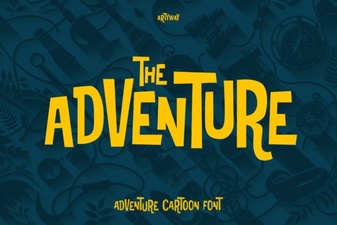 Adventure Fonts for Inspiring Creative Projects
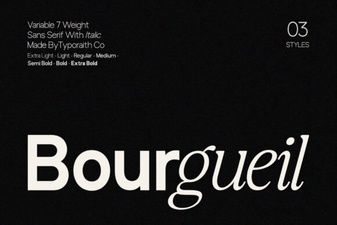 Bourgueil Font: Versatile Design & Creative Projects
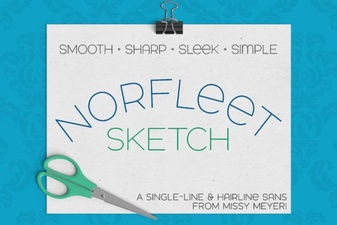 Norfleet Sketch Font for Clean Modern Typography
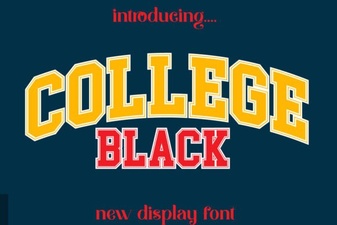 Modern College Black Font Designs for Websites
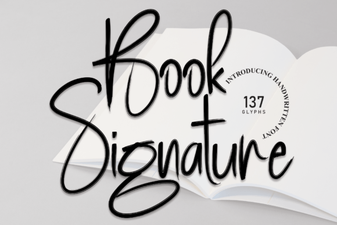 Designing with Distinctive Book Signature Fonts
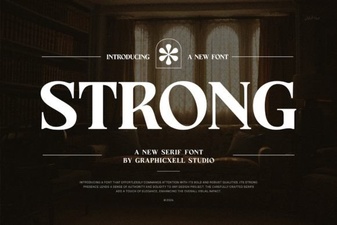 Bold Typography for Effective Website Design