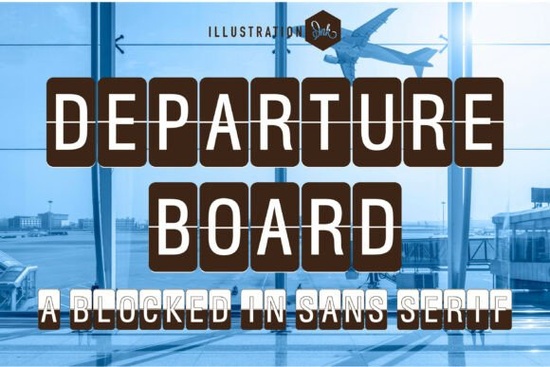
If you are looking for a typeface that captures the rush of a busy terminal, the Departure Board Font offers a distinct visual language. It mimics the mechanical split-flap displays found in older airports and train stations. This specific style brings a sense of movement and nostalgia to static designs. For designers working on travel-themed projects or urban branding, finding the right display type is crucial. This tool provides a structured, blocked-in sans serif look that remains highly legible even at large sizes. It works well for headers, logos, and any project needing a strong industrial vibe.
What makes this typeface stand out for travel themes?
The core appeal lies in its replication of retro airport travel signs. Each character is encased in tall, rounded rectangular capsules that split right down the center baseline. This design choice bridges the gap between classic mid-century locomotion nostalgia and modern minimalistic urban lifestyle grids. Unlike standard sans serif options, this font carries built-in texture and depth without requiring extra effects. When you use it, you are invoking the feeling of waiting for a flight or watching a train schedule update. It creates an immediate association with transit and journeying. For more context on how mechanical displays evolved, you can read about split-flap displays to understand the history behind the aesthetic.
Where does this display typeface work best in commercial projects?
Independent travel publication headers benefit greatly from this style. It sets a tone of adventure before the reader even sees an image. Boutique luggage brand graphics also pair well with this look, as it reinforces the idea of movement and tagging. Vintage transit posters are another obvious choice, but the utility goes further. Unique office signage layouts can use this to designate meeting rooms or departments with a cool, industrial flair. High-impact social media titles also perform well because the uppercase characters demand attention in a crowded feed. Print-on-demand sellers should consider this for t-shirts and tote bags aimed at travelers or aviation enthusiasts. The clean lines ensure that the design remains readable even when printed on textured fabrics.
How do you pair industrial styles with other typography?
Because this font is uppercase and highly structured, it needs breathing room. Pairing it with a simple, neutral sans serif for body text is usually the best approach. If you want to explore complementary styles, you might look at Sunspell Font for a different magical display vibe. You can also explore similar display options to find weights that balance the heaviness of the departure style. For a more athletic contrast, the Varsity Spirit Font offers a different kind of bold energy. You might browse athletic style types if your project involves sports travel or team logistics. Mixing these requires care, so keep the secondary font simple to let the industrial caps shine.
Is legibility a concern with blocked sans serif designs?
Legibility is generally high because the characters are wide and clearly defined. However, since it is uppercase only, long paragraphs of text are not recommended. This font is designed for headlines and short phrases. If you need something heavier for a university theme, the College Black Font might be worth comparing. You can check out bold college aesthetics to see how weight impacts readability. For projects needing a worn look, the Classic Distress Font adds grit. Designers often view vintage texture varieties to see if extra wear is needed, but this typeface often stands alone without distress. Always test your kerning, as the rectangular capsules can look cramped if letters are too close together.
What should you check before downloading?
Before integrating this into your workflow, ensure you understand the licensing terms for commercial use. Creative Fabrica usually offers clear licenses for POD and small business use, but always verify the specific file details. Check if the download includes multiple weights or just the single industrial style. Verify that the file format (OTF or TTF) is compatible with your design software. Finally, consider your audience; while retro is popular, ensure it fits the brand identity you are building. If you want to see more from this specific creator, you can view the full collection here.
Project Checklist
- Verify License: Confirm commercial rights for POD or client work.
- Test Legibility: Print a sample at actual size to check capsule spacing.
- Pair Carefully: Use a simple sans serif for body text to avoid clutter.
- Check Formats: Ensure OTF/TTF works with your specific software version.
- Limit Usage: Keep text short; this font is for headers, not paragraphs.
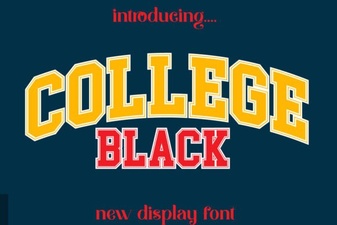 Modern College Black Font Designs for Websites
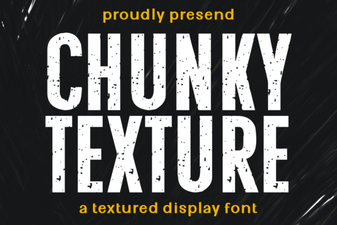 Chunky Fonts for Bold, Standout Designs
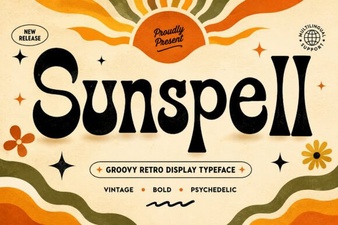 Sunspell Font: a Designer's Dream Script
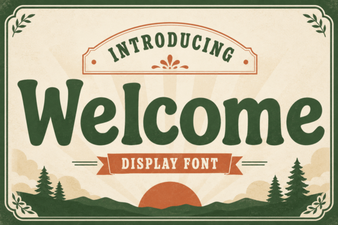 Selecting a Welcome Font for Your Design Projects
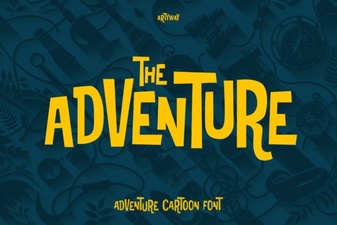 Adventure Fonts for Inspiring Creative Projects
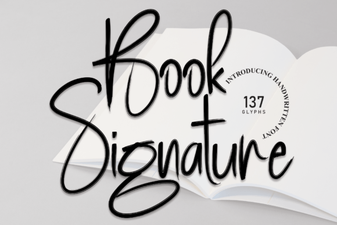 Designing with Distinctive Book Signature Fonts