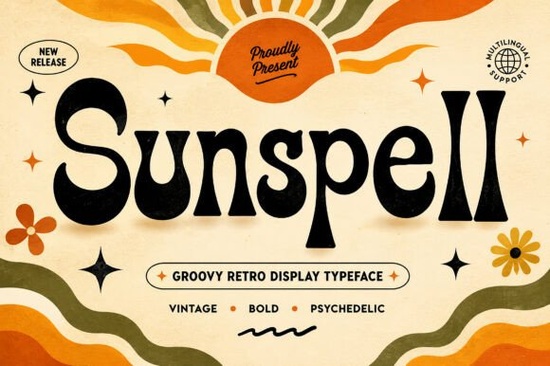
If you are looking for a typeface that captures the warmth of the 1970s, the Sunspell Font is a strong contender for your next project. It brings a bold retro display style that works well for designs needing personality and character. Many designers struggle to find a font that feels vintage without looking outdated, and this option bridges that gap by mixing psychedelic poster culture with modern usability. Whether you are creating a logo for a coffee shop or designing a tee for a music festival, understanding how to use these letterforms effectively can save you time during the creative process.
What makes this typeface unique?
The defining feature of this font is its organic rhythm. Unlike standard geometric sans-serifs, the letterforms here flow with dramatic contrast. The thick and thin strokes mimic the hand-drawn feel of vintage branding from the disco era. This quality gives every word a handcrafted look, which is essential for brands wanting to appear approachable and human. When you need something with more weight and impact, you might usually look for heavy textured options, but this typeface achieves boldness through shape rather than just fill.
Another key aspect is the playful curvature. The letters do not sit rigidly on the baseline; they dance slightly, creating a sense of movement. This is perfect for headlines that need to grab attention immediately. It avoids the stiffness often found in digital defaults. If you have worked with collegiate style lettering before, you know how important structure is, but here the structure is loosened to allow for more creative freedom. This makes it less suitable for long body text but exceptional for short, punchy messages.
Where does this design work best?
Choosing the right medium is crucial for retro fonts. This typeface shines in packaging design where shelf appeal matters. Imagine a honey jar or a craft soda label; the flowing curves suggest natural ingredients and care. It also performs well on apparel. When printing on t-shirts, the distinct shapes remain readable even from a distance. For projects requiring a worn-in look, you might pair this with weathered textures to enhance the vintage vibe without losing legibility.
Social media graphics also benefit from this style. In a feed full of clean, minimal content, a groovy headline stands out. It works particularly well for quotes or announcement posts. Book covers are another strong use case, especially for fiction genres that deal with nostalgia or history. The font provides an immediate visual cue about the tone of the content. It helps establish a strong visual identity quickly, which is vital for small businesses trying to differentiate themselves in a crowded market.
How does it compare to other vintage options?
Not all retro fonts serve the same purpose. Some lean towards the rustic, while others feel more polished. This specific typeface sits in the middle, offering a clean yet groovy aesthetic. If you need something that feels more domestic and cozy, you might explore homey script alternatives instead. However, for a broader appeal that spans from music albums to marketing materials, the versatility here is higher.
There is also a freshness to the shapes that prevents them from feeling dusty. It captures the energy of summer and freedom. In comparison to citrus-inspired themes, this font focuses more on the era than the subject matter. This means you can use it for non-food products without it feeling out of place. It is about the feeling of the 70s rather than a specific niche like farming or harvest, giving you more flexibility across different industries.
What files are included?
When you download this package, you receive a complete set of characters. This includes uppercase and lowercase letters, ensuring you can write full sentences if needed. Numbers and punctuation are also part of the set, which is important for pricing on packaging or dates on posters. Symbols are included to add decorative elements to your layouts. Having the full glyph set allows you to create cohesive branding without needing to switch typefaces for different elements.
Installation is straightforward across major design software. Once installed, you can access the alternate characters through your font panel. Experimenting with different letter combinations can help you find the perfect ligature or flow for your specific logo. Always test your design in black and white first to ensure the contrast holds up before adding color. This ensures the shape of the letters is doing the heavy lifting in your design hierarchy.
Quick Design Checklist
- Check Legibility: Ensure the text is readable at small sizes before finalizing.
- Pair Wisely: Combine with a simple sans-serif for body text to balance the bold headlines.
- Test Context: View your design on different screens and print mockups.
- Use Color: Apply warm, earthy tones to match the 70s aesthetic.
- Review License: Confirm usage rights for commercial projects like merchandise.
Before you start designing, sketch out your headline on paper. This helps you visualize how the flowing curves will interact with your specific words. Sometimes adjusting the kerning manually can improve the rhythm even further. Take your time to explore the symbols included, as they can act as unique dividers or icons in your layout. With the right approach, this typeface can become a staple in your creative toolkit.
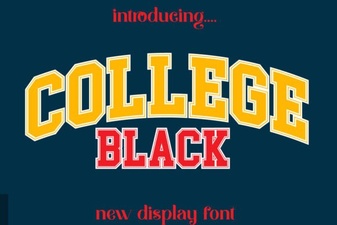 Modern College Black Font Designs for Websites
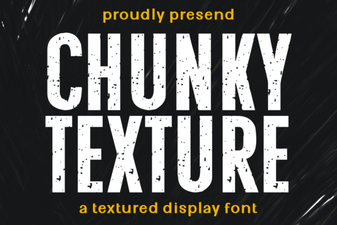 Chunky Fonts for Bold, Standout Designs
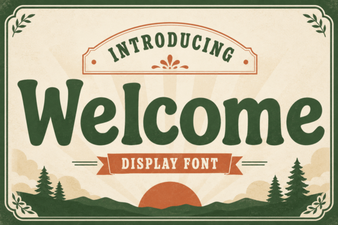 Selecting a Welcome Font for Your Design Projects
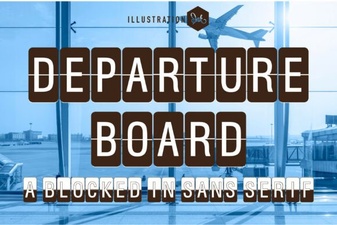 Crafting Digital Departure Board Typography
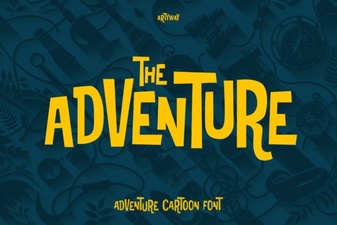 Adventure Fonts for Inspiring Creative Projects
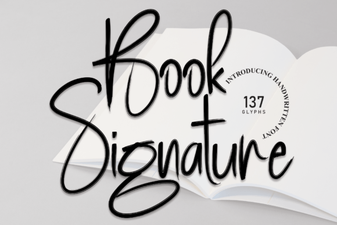 Designing with Distinctive Book Signature Fonts