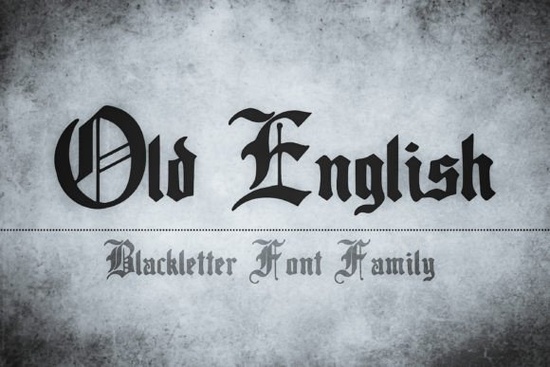
When working on projects that require a sense of tradition or authority, choosing the right typography is crucial. The Old English Font is a splendid antique blackletter typeface that captures a unique medieval vibe. It is particularly suitable for all your historical-themed projects, ranging from brewery logos to vintage apparel designs. Many designers struggle to find a blackletter style that balances authentic character with modern usability, and this option aims to bridge that gap.
Blackletter typography has a rich history dating back to the 12th century. Originally used in Western Europe, these typefaces are characterized by bold, angular strokes that resemble hand-drawn calligraphy. When you incorporate this style into your work, you are tapping into a visual language that suggests heritage, strength, and craftsmanship. However, using historical fonts requires a bit of know-how to ensure they communicate clearly to a modern audience.
What makes this typeface suitable for historical projects?
The primary appeal of this font lies in its authentic structure. Unlike modern sans-serif options that prioritize minimalism, this typeface embraces complexity. The thick and thin contrasts in the letterforms create a texture that stands out on both digital screens and physical prints. For small businesses selling print-on-demand products, this visual weight can make a design pop on a t-shirt or hoodie without needing excessive graphical elements.
Historical themes often require more than just a font; they need an atmosphere. Whether you are creating a logo for a barbershop, a label for a craft beer, or an invitation for a themed event, the typography sets the tone. This specific style works well because it avoids looking too digital or clean. It retains the irregularities found in traditional printing presses, which adds a layer of warmth and humanity to the design.
How do you ensure readability with blackletter styles?
One common concern with gothic typefaces is legibility. Because the letters are dense and ornate, they can be difficult to read at small sizes or in long paragraphs. To mitigate this, it is best to reserve the Old English Font for headlines, logos, or short phrases. Avoid using it for body text where users need to scan information quickly.
Pairing is another essential strategy. When you use a complex blackletter for your main heading, pair it with a simple, clean sans-serif for the supporting text. This contrast helps guide the reader's eye and prevents the design from feeling too heavy. For example, if you are designing a poster, use the blackletter for the event title and a basic geometric font for the date and location details. This balance ensures your message is received without visual fatigue.
Where can you use this style in commercial work?
Creative hobbyists and professional designers alike can apply this typeface across various mediums. Here are a few practical applications where this style shines:
- Apparel Design: Perfect for streetwear brands that want a bold, statement look on chest prints.
- Logo Creation: Ideal for businesses wanting to convey stability and tradition, such as law firms or financial advisors.
- Packaging: Works well on labels for artisanal products like jams, spirits, or soaps.
- Certificates: Adds a formal touch to awards, diplomas, or completion certificates.
When licensing fonts for commercial use, always check the specific terms provided by the creator. Most assets on creative marketplaces allow for use in end products for sale, such as printed shirts or mugs, but may restrict using the font file itself to create a competing font product. Understanding these boundaries protects your business from legal issues down the line.
Where can I find similar typography styles?
If you are exploring different variations of gothic script, it helps to compare several options before committing to one. You might find that a slightly lighter weight works better for your specific layout. If you want to explore more options, you can browse this specific style category to see what else is available. Having a variety of weights and styles in your toolkit allows you to adapt to different client needs without purchasing new assets for every single project.
Experimentation is key. Try adjusting the kerning and leading when you place this font in your design software. Blackletter letters often have unique shapes that require manual adjustment to look cohesive. Tightening the spacing slightly can often make the wordmark feel more unified and solid.
Practical Checklist for Using Blackletter Fonts
Before finalizing your design, run through this quick list to ensure quality and usability:
- Check Legibility: View your design at 100% size to ensure every letter is distinguishable.
- Test Contrast: Make sure the font color stands out clearly against the background.
- Limit Usage: Keep the text short; avoid paragraphs longer than two lines.
- Pair Wisely: Combine with a simple sans-serif font for body copy.
- Verify License: Confirm your license covers commercial use for your specific product.
By following these steps, you can integrate historical typography into modern designs effectively. The goal is to honor the style's heritage while ensuring it functions well for your current audience. With the right adjustments, this typeface can become a staple in your creative library.
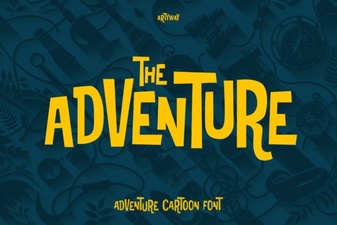 Adventure Fonts for Inspiring Creative Projects
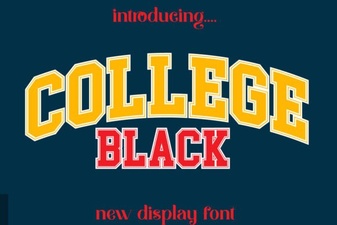 Modern College Black Font Designs for Websites
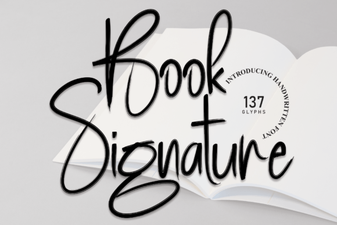 Designing with Distinctive Book Signature Fonts
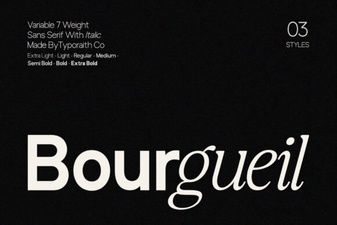 Bourgueil Font: Versatile Design & Creative Projects
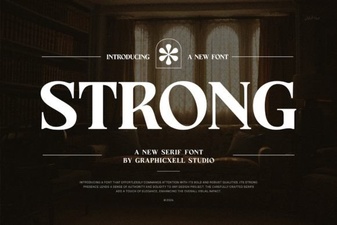 Bold Typography for Effective Website Design
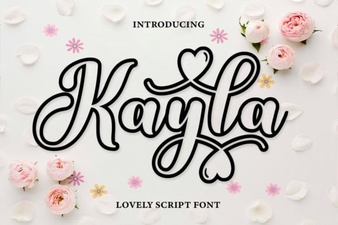 Kayla Outline Font: Design & Download Guide