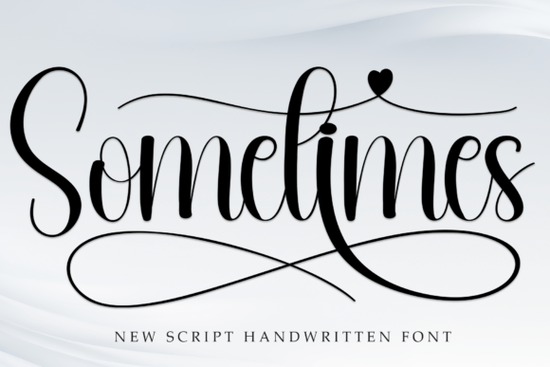
Finding the right handwriting style for a project can be tricky. You want something that feels personal without looking messy. This is where Sometimes Font shines. It offers a sweet and friendly aesthetic that works well for designs needing a lovely touch. Whether you are creating wedding invitations or casual greeting cards, having a reliable script in your toolkit makes the design process smoother. Many creators look for typefaces that balance readability with character, and this option fits that need perfectly.
What projects work best with this handwritten style?
This typeface is particularly effective for events and personal communications. Because the strokes are fresh and casual, it suits wedding stationery where a formal serif might feel too stiff. You can use it for save-the-dates, menu cards, or table numbers. Beyond weddings, it is excellent for small business branding. If you run a bakery or a boutique shop, using this script on your packaging can make your brand feel more approachable.
Crafters also find value in this style for DIY projects. It works well on heat transfer vinyl for t-shirts or on paper for scrapbooking layouts. The key is to ensure there is enough contrast between the text and the background. When paired with the right colors, the letters stand out clearly. For more inspiration on pairing colors, you might check out a tool like Coolors to generate palettes that complement the soft vibe of the text.
How do you pair this script with other typefaces?
Mixing fonts is an art form. You generally want to pair a decorative script with a simpler sans-serif or serif font to maintain balance. If you are looking for something with a bit more floral detail to complement this style, the Wild Flower Honey Duo is a great option to explore. It adds a decorative element that can work well for headings while you use the simpler script for body text.
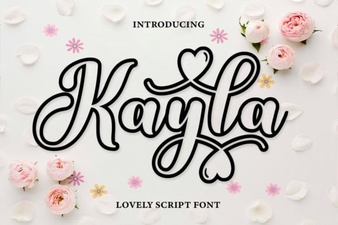
For a cleaner look, consider using an outline style. The Kayla Outline Font provides a different texture that can highlight specific words without overwhelming the design. When layering these fonts, keep the sizing distinct. Let the script be the hero of the design and use the secondary font for supporting information like dates or addresses.
Is this suitable for print-on-demand sellers?
Yes, this type of font is a staple for print-on-demand (POD) businesses. Customers often look for items that feel handmade, even if they are mass-produced. You can use this script on mugs, tote bags, and wall art. The casual nature of the letters resonates well with buyers looking for home decor. Just ensure you check the licensing terms for the specific product you download. Most assets on creative marketplaces allow for commercial use, but it is always good to verify.
If you need something even more basic for background patterns, the Simple Alphabet Font can be useful. It provides a neutral base that lets the main script stand out. For educational materials or kids' products, you might also consider the School Font style, which mimics learning tools. However, for general lifestyle products, the friendly vibe of the main script remains the top choice.
What technical formats should you expect?
When you download a font package, you typically receive several file types. Common formats include OTF, TTF, and sometimes webfont files. OTF and TTF are standard for installing on your computer for use in software like Photoshop or Illustrator. Webfont files are necessary if you plan to use the typeface on a website. Having multiple formats ensures you can work across different platforms without compatibility issues.
Installation is usually straightforward. On Windows, you can right-click the file and select install. Mac users can double-click the file and use the Font Book app. Once installed, the font will appear in your design software's text menu. It is recommended to restart your design program after installation to ensure the new family loads correctly.
Quick Checklist for Using Script Fonts
- Check Legibility: Ensure the letters are readable at smaller sizes before finalizing.
- Verify Licensing: Confirm commercial rights if you are selling physical or digital products.
- Test Contrasts: Place the text over different backgrounds to check visibility.
- Pair Wisely: Combine with simple sans-serif fonts to avoid visual clutter.
- Install Correctly: Restart your design software after adding new typefaces.
Starting with a versatile script gives you a solid foundation for many creative tasks. By understanding where and how to use these tools, you can create designs that feel both professional and personal. Take your time to experiment with spacing and pairing to get the best results for your specific project.
 Designing with Distinctive Book Signature Fonts
 Kayla Outline Font: Design & Download Guide
 Choosing Fonts for Your Study Notes and Projects
 Adventure Fonts for Inspiring Creative Projects
 Modern College Black Font Designs for Websites
 Bourgueil Font: Versatile Design & Creative Projects