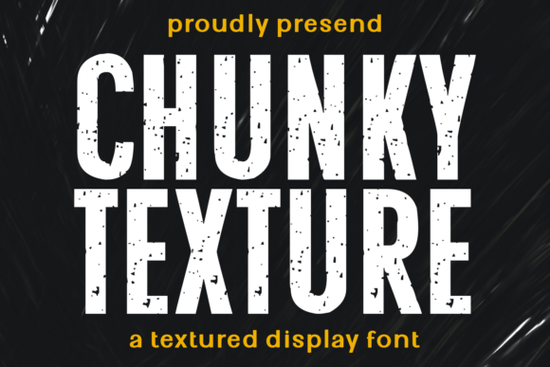
Choosing the right typeface can define the entire personality of a brand, especially when you need something that feels raw and authentic. For projects requiring a sense of grit and handcrafted style, Chunky Texture offers a bold solution. This grunge font is designed to stand out in crowded markets, bringing an unabashed masculinity to everything from streetwear labels to industrial signage. When you need lettering that looks eroded and resilient, this style provides the visual weight necessary to make a statement without saying a word.
What defines a true grunge aesthetic in typography?
A genuine grunge aesthetic goes beyond simply adding noise to a clean vector. It requires a typeface that embodies wear and tear naturally within the glyph shapes. The distressed texture found in rugged fonts speaks to durability and history. Designers often look for this style when creating identities for barbershops, automotive brands, or coffee roasters who want to highlight tradition over modern polish.
When exploring similar styles, you might consider options like Sunspell for a slightly different take on display typography. However, the key is ensuring the distress doesn't compromise readability. A font must remain legible even when the edges are rough. This balance is crucial for outdoor signage where distance viewing is common. The right typeface acts as a signature style, evoking a vintage industrial feel that resonates with customers seeking authenticity.
Where does distressed lettering perform best?
Not every project benefits from a heavy, textured look. This style shines in specific niches where character is more valuable than cleanliness. Gym apparel often uses bold lettering to convey strength, making distressed fonts a natural fit for logos and shirt graphics. Similarly, packaging for artisanal products, like cold brew coffee or craft beers, uses these textures to suggest a small-batch, handcrafted origin.
If you are working on a project that requires a cleaner but still bold look, College Black might serve as a solid alternative for varsity-style designs. However, for urban settings or automotive posters, the steely edge of a grunge font is unmatched. It transforms simple text into eroded artwork, adding depth to tote bag mockups or product labels. The goal is to make the design feel established, as if the brand has been around for decades.
How do you pair bold fonts without clutter?
Using a heavy display font requires careful pairing to maintain visual hierarchy. Since the main title will demand attention, secondary text should remain simple and clean. Sans-serif bodies work well to ground the design, allowing the textured header to do the heavy lifting. Avoid pairing two distressed fonts together, as this creates visual noise that confuses the viewer.
For a softer contrast, script fonts can complement rugged headers beautifully. You might explore Jennies House to find a script that balances the hardness of a grunge title. This combination works particularly well on wedding invitations with a rustic theme or boutique storefronts. The juxtaposition of rough and smooth creates a dynamic tension that keeps the viewer engaged. Always test your combinations at different sizes to ensure the pairing holds up on both mobile screens and large prints.
Which industries benefit most from vintage industrial typography?
Certain sectors rely heavily on the emotional connection provided by vintage styles. The automotive industry frequently uses robust lettering to highlight power and engineering heritage. Outdoor gear companies also benefit from fonts that look weather-resistant and tough. Even in the food industry, burger joints and smokehouses use these styles to communicate flavor and tradition.
If you need something with a retro stamp feel for signage, Departure Board offers a different kind of vintage vibe suitable for transit or travel themes. However, for pure masculinity and grit, a textured display font remains the top choice. It serves as a tool for evocative T-shirt design, allowing sellers in the print-on-demand space to create niche products that stand out in marketplaces. The resilience of the style ensures it doesn't look dated quickly, maintaining relevance across trends.
What should you check before downloading a display font?
Before committing to a typeface for a commercial project, verify the license terms. Some fonts are free for personal use but require a merchant license for selling physical goods. Additionally, check the file formats included. Having both OTF and TTF ensures compatibility across different design software and operating systems. Look for kerning pairs and alternate characters that give you flexibility during the design process.
For projects needing a fresher, organic feel, Lemon Harvest could provide a contrasting organic element to your brand kit. Regardless of the choice, always install the font on a test machine to check rendering quality. Poor hinting can make bold fonts look pixelated on screens, undermining the professional look you aim to achieve. For more on typography standards, you can review typography principles to ensure your layout adheres to best practices.
Quick Checklist for Using Rugged Fonts
- Verify Licensing: Ensure you have the right license for commercial merchandise.
- Test Readability: Check if the distressed edges vanish at small sizes.
- Pair Carefully: Use simple sans-serifs or clean scripts for body text.
- Check Formats: Confirm OTF or TTF files are included for your software.
- Consider Context: Make sure the grit matches the brand's actual vibe.
By focusing on these details, you ensure that your design work remains professional and effective. A font like Chunky Texture is more than just letters; it is a personality for your brand. When used correctly, it builds an immediate connection with audiences who value honesty and strength in design.
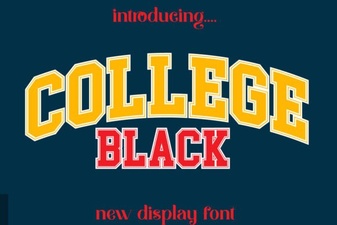 Modern College Black Font Designs for Websites
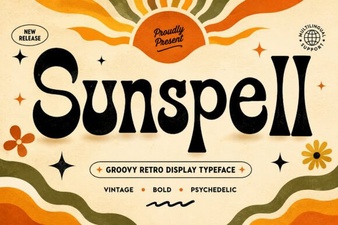 Sunspell Font: a Designer's Dream Script
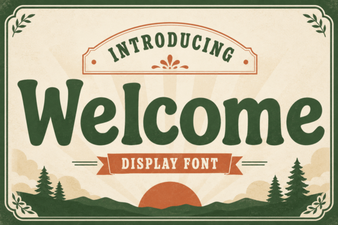 Selecting a Welcome Font for Your Design Projects
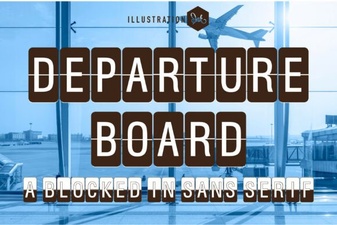 Crafting Digital Departure Board Typography
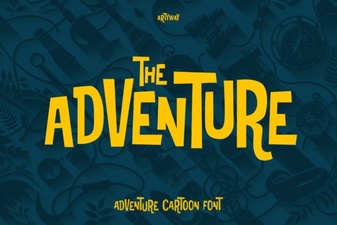 Adventure Fonts for Inspiring Creative Projects
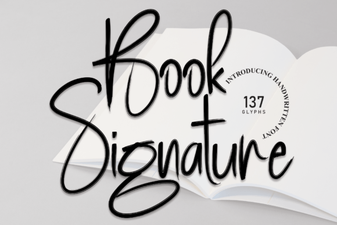 Designing with Distinctive Book Signature Fonts