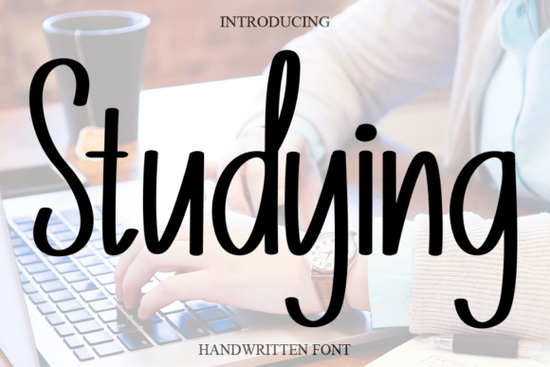
Finding the right typography can feel overwhelming when you want something that balances elegance with approachability. If you are working on a project that needs a personal touch, the Studying Font offers a sweet and cursive handwritten style that fits perfectly. It brings a gentle feel to designs without looking too formal or stiff. Many creators look for this specific balance when building brand identities or creating personal gifts. The goal is to make the viewer feel something immediate and warm upon seeing your work.
Handwritten styles have become essential for modern designers because they break the monotony of standard digital type. When customers see a script that mimics human penmanship, they perceive the brand as more authentic. This particular typeface captures that joy and romance mentioned in its description, making it versatile for various creative industries. Whether you are designing a logo for a bakery or a header for a lifestyle blog, the fluidity of the letters adds a layer of sophistication. It suggests that care was taken in the creation of the product, which builds trust with your audience.
What makes this typeface stand out for branding?
When you choose a typeface for a logo, readability matters just as much as style. This font maintains legibility while offering those flowing connections typical of high-end script. It works well for boutique shops, beauty brands, or any business wanting to appear friendly yet sophisticated. The romantic touch helps convey warmth, which is essential for customer connection. You want your audience to feel invited, not intimidated by complex lettering. Additionally, the weight of the strokes is consistent enough to remain clear even when scaled down for social media profile pictures or business cards.
Color palettes also play a huge role when using cursive fonts. Soft pastels or muted earth tones often complement this style better than harsh neons. If you are creating a brand board, consider testing this typography against textured backgrounds like watercolor paper or linen. The organic nature of the font pairs beautifully with natural elements. For those exploring similar vibes, you might compare it with the Sometimes font to see which flow suits your layout better. Another option to consider is the Kayla Outline font if you need something with a bit more structure for headers while keeping the handwritten feel.
Which projects benefit most from this style?
Wedding invitations are a classic use case because they require a fancy but casual vibe. Beyond that, consider using it for greeting cards where the message needs to feel handwritten and sincere. Fashion lookbooks also benefit from this aesthetic, as it adds a human element to curated photos. If you are selling print-on-demand products, this typeface shines on mugs, tote bags, and wall art. It transforms simple text into a design feature. Users often appreciate items that look custom-made rather than mass-produced, and this font helps achieve that illusion effectively.
Marketing promotions also see higher engagement when the typography feels personal. Instagram stories or Pinterest pins using this script can stop the scroll because they stand out against standard sans-serif feeds. However, ensure you leave enough whitespace around the letters so the swashes do not get cut off. If you need more inspiration on combinations, looking at the Ideas font might spark new pairing concepts. Signature styles also work well alongside this type of script. You could examine the Book Signature font to understand how different weights interact on a page. The goal is to ensure the secondary font does not compete for attention.
How do you pair this with other typography?
Mixing scripts with sans-serif fonts creates a modern contrast that keeps designs clean. Use the cursive style for emphasis or headlines, then switch to a simple sans-serif for body text. This hierarchy guides the viewer's eye effectively. For example, pair it with a clean geometric font for marketing promotions. Avoid pairing it with another complex script, as this creates visual noise and reduces readability. The eye needs a place to rest, and simple block letters provide that stability. Always test your combinations on both light and dark backgrounds to ensure sufficient contrast ratios for accessibility.
Expanding your library gives you more flexibility for different client needs. Sometimes a project requires a calmer stroke weight or different swashes. Browsing through collections helps you identify trends in handwritten typography. For a more relaxed alternative, check out the Daily Calm font to see how varying pressure affects the overall mood. Having a range of scripts allows you to tailor each project specifically rather than forcing one font to work everywhere. Consistency is key, but variety keeps your portfolio fresh and adaptable to changing design trends.
What technical details should you check before downloading?
Always verify the file formats included in your download, such as OTF or TTF, to ensure compatibility with your software. Most modern design tools support these standards, but checking beforehand saves time. Look for PUA encoding, which allows you to access alternate characters and ligatures easily without needing special keyboard shortcuts. This feature is crucial for creating unique variations of words within your design. Install the font on your system and restart your design application to ensure it appears correctly in your font menu. Testing a few lines of text before committing to a full layout prevents frustration later in the process.
- Download the OTF and TTF files for maximum compatibility.
- Test kerning on specific letter pairs like "st" or "ing".
- Ensure contrast against your background color for readability.
- Check licensing terms for commercial use on physical goods.
- Create mockups to visualize the final product before launching.
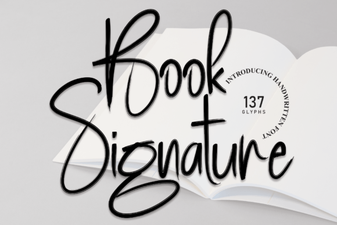 Designing with Distinctive Book Signature Fonts
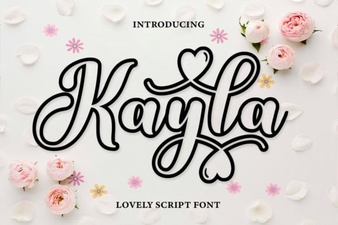 Kayla Outline Font: Design & Download Guide
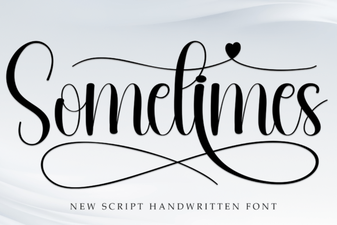 Sometimes Font: Creative Uses in Design Projects
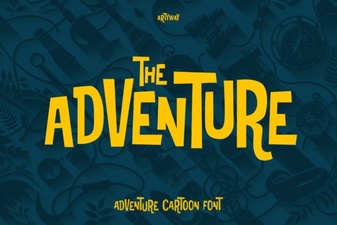 Adventure Fonts for Inspiring Creative Projects
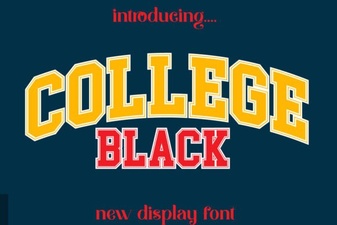 Modern College Black Font Designs for Websites
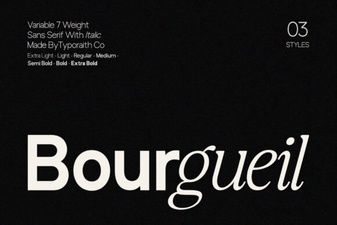 Bourgueil Font: Versatile Design & Creative Projects